Introduction to Custodial and Non-Custodial Wallets
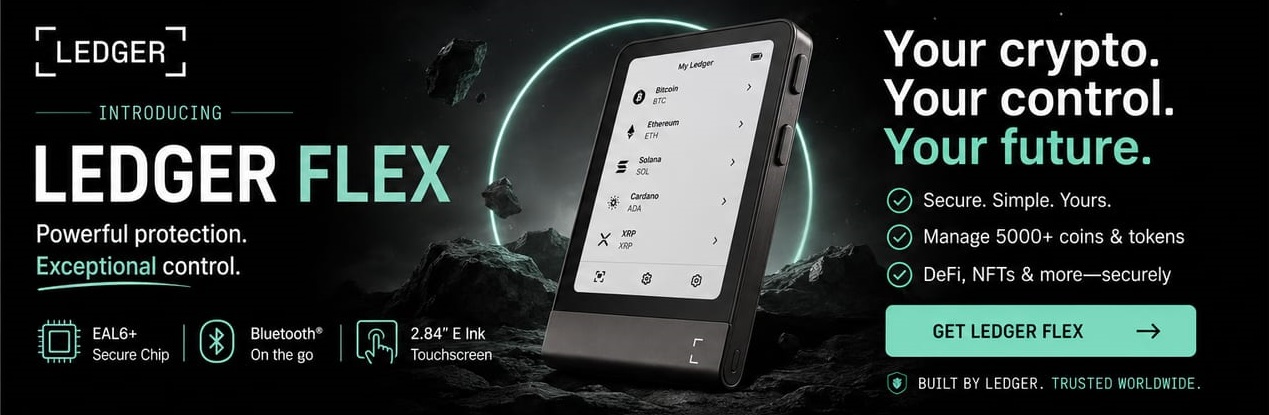
Custodial and non-custodial wallets are two fundamental types of cryptocurrency storage solutions. The primary distinction between them lies in who controls the private keys associated with the wallet. In a custodial wallet, a third-party service, such as an exchange or an app, holds the private keys. This means that the user does not have direct control over their funds, and the third party can freeze or lose them. On the other hand, non-custodial wallets allow users to hold their private keys, either through a software wallet installed on their device or a hardware wallet, giving them full control over their cryptocurrency.
Understanding Custodial Wallets
Custodial wallets are often provided by cryptocurrency exchanges, brokers, or other financial services. The main advantage of custodial wallets is convenience. They usually offer an easy-to-use interface, making it simpler for new users to buy, sell, and store cryptocurrencies. However, this convenience comes at a cost. Since the private keys are controlled by the third party, users are at risk if the service is compromised, experiences technical issues, or is subject to regulatory actions that could freeze accounts.
Understanding Non-Custodial Wallets
Non-custodial wallets, in contrast, empower users with full control over their private keys. This control is both a significant advantage and a considerable responsibility. Users of non-custodial wallets must ensure the security of their private keys and seed phrases, as losing these could result in the permanent loss of their funds. Non-custodial wallets can be software-based, running on a computer or mobile device, or hardware-based, using a dedicated device designed specifically for secure key storage.
Recovery Options: Custodial vs. Non-Custodial
The approach to recovery also differs significantly between custodial and non-custodial wallets. For custodial wallets, recovery typically involves contacting the customer support of the service providing the wallet. This can be time-consuming and may not always result in the recovery of funds, especially if the issue is due to a security breach or regulatory action. Non-custodial wallets, on the other hand, rely on the user having access to the seed phrase or private keys. The seed phrase is a list of words that can be used to restore the wallet and access the funds if the original wallet is lost or compromised.
Regulatory Considerations
Regulatory actions can have a significant impact on custodial wallets. Even if a user has not engaged in any illegal activities, their account can be frozen due to regulatory requirements or actions against the service provider. This risk underscores the importance of understanding the terms of service and the regulatory environment in which the custodial wallet operates. Non-custodial wallets are less exposed to such risks since the user retains control over their funds, but they still must comply with relevant laws and regulations.
Using Both Custodial and Non-Custodial Wallets
Many cryptocurrency holders opt to use both custodial and non-custodial wallets, depending on their specific needs. Custodial wallets can be convenient for buying and selling cryptocurrencies, especially when using fiat on/off-ramps, which are typically offered by exchanges and other custodial services. Non-custodial wallets, with their enhanced security and control, are often preferred for long-term storage of cryptocurrencies. This hybrid approach allows users to balance the convenience of custodial services with the security and control of non-custodial solutions.
Conclusion
In conclusion, the choice between custodial and non-custodial wallets depends on the user's priorities regarding convenience, security, and control. Understanding the differences between these two types of wallets is crucial for making informed decisions about cryptocurrency storage and management. By considering the trade-offs and using the right tools for specific needs, users can navigate the cryptocurrency landscape more securely and effectively.